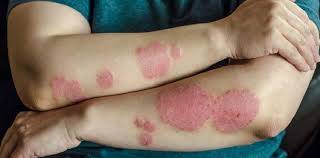

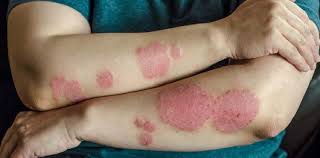
1. Topical Treatments
Topical treatments are often the first line of defense against psoriasis. These medications are applied directly to the skin and can help reduce inflammation, slow down cell turnover, and alleviate itching. Some of the most common topical treatments include:
-
Corticosteroids: These are anti-inflammatory medications that reduce redness and swelling. They are available in various strengths and formulations, including creams, ointments, and gels. While effective, long-term use can lead to side effects such as skin thinning.
-
Vitamin D Analogues: Medications like calcipotriene (Dovonex) help regulate skin cell growth and reduce scaling. They are often used in combination with corticosteroids for enhanced efficacy.
-
Coal Tar: This traditional treatment helps reduce inflammation and scaling. It's available in shampoos, creams, and ointments. However, it can have a strong odor and may stain clothing.
2. Phototherapy
Phototherapy involves exposing the skin to controlled amounts of ultraviolet (UV) light to slow down the growth of skin cells and reduce inflammation. There are different types of phototherapy:
-
UVB Phototherapy: This involves exposure to narrow-band UVB light, which has been shown to be effective in treating psoriasis. It typically requires multiple sessions per week.
-
PUVA Therapy: This combines psoralen (a drug that makes the skin more sensitive to light) with UVA light. It is usually reserved for more severe cases of psoriasis.
Phototherapy can be highly effective but may require ongoing treatments to maintain results. Patients should also be aware of the potential risk of skin damage and increased risk of skin cancer.
3. Systemic Medications
Systemic medications work throughout the body to treat psoriasis, often prescribed for moderate to severe cases or when other treatments are ineffective. These medications can be oral or injectable:
-
Oral Medications: Drugs like methotrexate, cyclosporine, and acitretin help control immune system activity and reduce inflammation. While effective, they can have significant side effects and require regular monitoring.
-
Biologics: These are a newer class of injectable medications that target specific parts of the immune system. Biologics such as adalimumab (Humira), etanercept (Enbrel), and ustekinumab (Stelara) have shown promising results in managing severe psoriasis. They often have fewer systemic side effects compared to traditional systemic medications but require ongoing administration and monitoring.
4. Lifestyle Changes
In addition to medical treatments, making certain lifestyle changes can help manage psoriasis symptoms and improve overall well-being:
-
Diet: Some individuals find that certain foods can trigger or worsen their psoriasis symptoms. An anti-inflammatory diet rich in fruits, vegetables, whole grains, and lean proteins may help reduce flare-ups.
-
Stress Management: Stress is a known trigger for psoriasis flare-ups. Incorporating stress-reducing activities such as meditation, yoga, or regular exercise can be beneficial.
-
Moisturizing: Keeping the skin well-moisturized can help reduce dryness and scaling. Using fragrance-free moisturizers and avoiding harsh soaps can also be helpful.