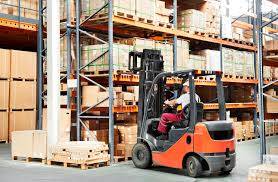

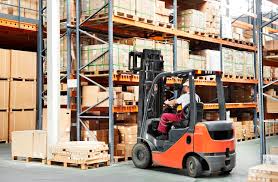
Forklift operators are responsible for operating powered industrial trucks, commonly known as forklifts, to move, lift, stack, and unload materials and products. These professionals work in diverse settings, including warehouses, construction sites, manufacturing plants, and distribution centers. Their work is integral to maintaining supply chain efficiency and supporting various business operations.
Key Responsibilities
-
Operating Forklifts: The primary task of a forklift operator is to handle forklifts to transport materials. This involves maneuvering the forklift safely, loading and unloading goods, and stacking materials in designated areas.
-
Safety Compliance: Forklift operators must adhere to safety regulations and guidelines to prevent accidents and ensure a safe working environment. This includes performing pre-operation safety checks, using safety equipment, and following proper lifting techniques.
-
Inventory Management: Operators often assist in managing inventory by tracking and recording materials moved within the facility. Accurate inventory management helps prevent stock shortages and overstock situations.
-
Maintenance and Repairs: Regular maintenance and minor repairs of the forklift are essential to keep the equipment in good working condition. Operators may be responsible for basic maintenance tasks such as checking fluid levels and cleaning the forklift.
Essential Skills and Qualifications
-
Technical Proficiency: A thorough understanding of forklift operations and controls is fundamental. Operators should be skilled in maneuvering forklifts in tight spaces and handling different types of loads.
-
Attention to Detail: Forklift operators must pay close attention to detail to ensure that materials are handled correctly and safety protocols are followed. Accurate record-keeping and inventory management are also crucial.
-
Physical Stamina: The job requires physical strength and stamina, as operators often lift and move heavy loads. They must be able to work on their feet for extended periods and manage the physical demands of the role.
-
Certification: In many regions, forklift operators are required to obtain certification from recognized organizations. Certification involves completing training programs and passing written and practical exams to demonstrate proficiency.
Career Opportunities
Forklift operators have a range of career opportunities across various industries. Some potential career paths include:
-
Warehouse Supervisor: Experienced forklift operators may advance to supervisory roles, overseeing warehouse operations and managing a team of operators.
-
Logistics Coordinator: Operators with a strong understanding of supply chain logistics may transition into roles that involve coordinating and optimizing the movement of goods.
-
Equipment Maintenance Specialist: Operators with technical expertise may pursue careers in equipment maintenance and repair, focusing on maintaining and servicing forklifts and other machinery.
-
Safety Officer: With additional training, forklift operators can become safety officers, ensuring compliance with safety regulations and developing safety protocols within the workplace.