
The Importance of Food Donation
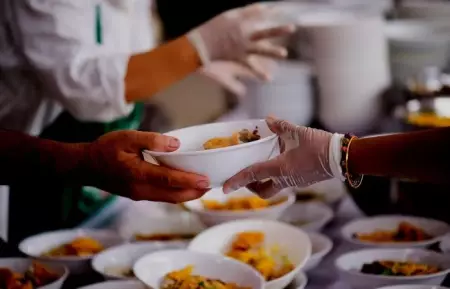
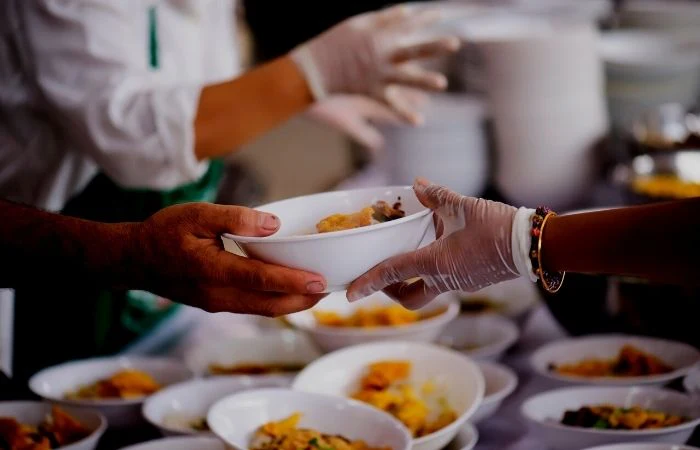
Food donation is more than just an act of charity; it is a critical component of a sustainable and equitable society. Globally, about one-third of all food produced is wasted, while millions of people suffer from hunger and malnutrition. Food donation helps redirect surplus food from landfills to the tables of those in need, reducing food waste and alleviating hunger.
In many communities, food banks, shelters, and non-profit organizations rely on food donations to provide meals to vulnerable populations. These donations not only help to feed the hungry but also foster a sense of community and solidarity. By sharing resources, we can create a society where everyone has access to the basic necessity of food.
The Impact on Communities
Food donation has a profound impact on the communities it serves. For low-income families, food donations can mean the difference between having a meal or going hungry. These donations provide a safety net, offering nutritious food that might otherwise be out of reach due to financial constraints.
Beyond the immediate relief of hunger, food donation also promotes better health outcomes. Access to healthy, nutritious food can improve the well-being of individuals, particularly children, who are more vulnerable to the effects of poor nutrition. By ensuring that everyone has access to healthy food, food donation contributes to the overall health and resilience of communities.
Food donation also strengthens community bonds. When individuals and businesses donate food, they become part of a larger effort to care for their neighbors. This sense of community and shared responsibility can lead to more robust support networks and a stronger, more resilient society.
How to Get Involved
There are many ways to get involved in food donation, whether as an individual, a business, or an organization. Here are some steps you can take:
-
Donate Food: Many food banks, shelters, and community organizations accept non-perishable food items. Consider donating canned goods, pasta, rice, and other shelf-stable products. Some organizations also accept fresh produce and other perishable items, so check with your local food bank for guidelines.
-
Volunteer: Donating your time can be just as valuable as donating food. Many organizations need volunteers to sort and distribute food, prepare meals, and assist with logistics. Volunteering is a great way to contribute directly to your community and see the impact of your efforts.
-
Organize a Food Drive: Hosting a food drive at your workplace, school, or community center is an excellent way to collect donations and raise awareness about hunger. Encourage others to participate and make a collective effort to support those in need.
-
Support Local Farmers and Food Producers: Many farmers and food producers donate surplus food to local charities. By supporting these businesses, you are indirectly contributing to the food donation network.
-
Advocate for Food Donation: Raise awareness about the importance of food donation in your community. Encourage others to donate and support policies that promote food recovery and redistribution.