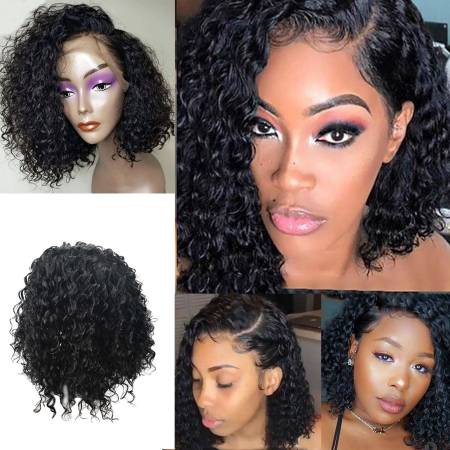

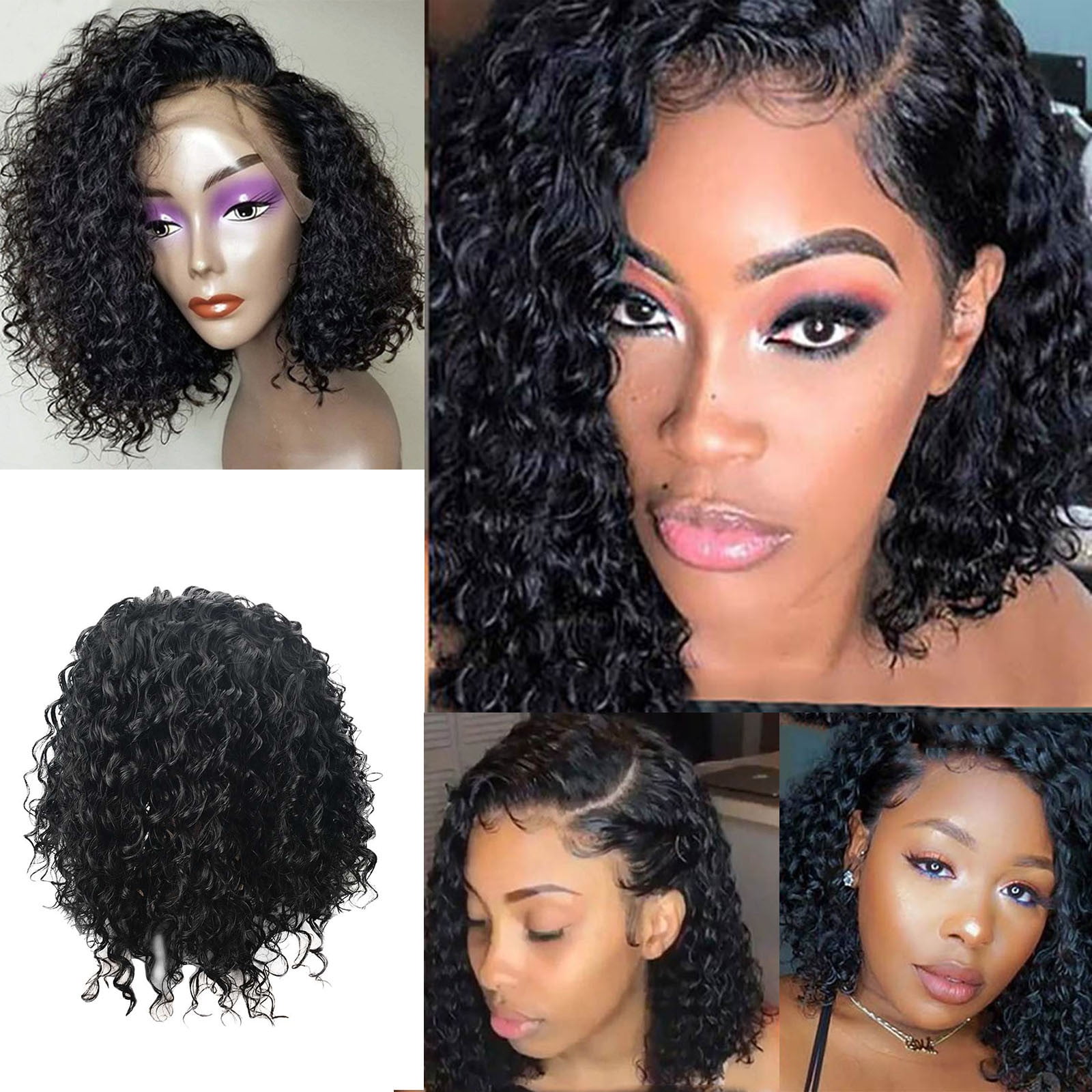
1. Types of Wigs
Wigs come in various styles, materials, and constructions, each catering to different needs and preferences. Here are the most common types:
-
Synthetic Wigs: Made from synthetic fibers, these wigs are generally more affordable and come pre-styled. They are low-maintenance and retain their shape even after washing. However, they can be less breathable than natural hair wigs and may not last as long.
-
Human Hair Wigs: These wigs are crafted from real human hair, offering the most natural look and feel. They can be styled, dyed, and treated just like your natural hair. They tend to be more expensive but offer greater versatility and durability.
-
Blend Wigs: Combining human hair and synthetic fibers, blend wigs provide a balance between cost and natural appearance. They offer the styling flexibility of human hair with the durability of synthetic fibers.
2. Choosing the Right Wig
Selecting the right wig involves several factors:
-
Purpose: Determine the primary reason for your wig—whether it's for fashion, medical reasons (such as hair loss due to chemotherapy), or daily wear. This will influence your choice in terms of material, style, and budget.
-
Fit: Wigs come in various sizes and cap constructions. To ensure a comfortable fit, measure your head size and choose a wig with an adjustable cap or custom fit. A properly fitted wig will be more comfortable and look more natural.
-
Style: Consider your preferred hairstyle, including length, color, and texture. If you're unsure, consult with a wig specialist or try on different styles to see what suits you best.
-
Maintenance: Different wigs require varying levels of care. Synthetic wigs are generally easier to maintain but have limited styling options, while human hair wigs need regular washing and styling but offer more flexibility.
3. Caring for Your Wig
Proper maintenance can extend the life of your wig and keep it looking fresh. Here are some essential care tips:
-
Washing: Follow the manufacturer's instructions for washing your wig. Use a gentle wig shampoo and avoid excessive washing to prevent damage. For human hair wigs, consider using conditioner to keep the hair soft and manageable.
-
Storing: When not in use, store your wig on a wig stand or in a breathable wig bag to maintain its shape and prevent tangling.
-
Styling: Avoid using heat tools on synthetic wigs unless specified by the manufacturer. Human hair wigs can be styled with heat, but use heat protectant products to prevent damage.
-
Professional Help: Consider taking your wig to a professional stylist for adjustments, especially if you need specific cuts or styles.