
1. Types of Construction Jobs
The construction industry encompasses a broad range of roles, each contributing to the successful completion of projects. Here are some of the key positions:
- General Contractor: General contractors oversee entire projects, coordinating with subcontractors, managing budgets, and ensuring that construction adheres to plans and regulations.
- Construction Manager: These professionals handle project planning and execution, from scheduling and resource management to quality control and safety compliance.
- Carpenter: Carpenters work with wood and other materials to build structures such as frames, cabinets, and furniture. They are skilled in measuring, cutting, and assembling.
- Electrician: Electricians install and maintain electrical systems in buildings, ensuring that all wiring and fixtures comply with safety codes and regulations.
- Plumber: Plumbers install and repair piping systems for water, gas, and sewage. They handle everything from new installations to fixing leaks and blockages.
- Mason: Masons work with brick, stone, and concrete to construct walls, pavements, and other structures. Their expertise is crucial for creating durable and aesthetically pleasing work.
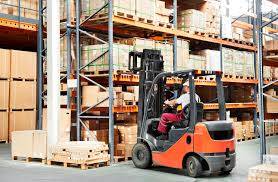
- Heavy Equipment Operator: These professionals operate machinery such as bulldozers, cranes, and excavators to move materials and assist in various stages of construction.
2. Skills and Qualifications
Success in construction jobs often depends on a combination of technical skills, physical endurance, and soft skills. Key qualifications include:
- Technical Skills: Proficiency in using construction tools and machinery is essential. Each role may require specific technical expertise, such as carpentry skills for builders or electrical knowledge for electricians.
- Physical Stamina: Construction work can be physically demanding. Workers often need to handle heavy materials, work in various weather conditions, and be on their feet for extended periods.
- Attention to Detail: Precision is crucial in construction. Ensuring that measurements and specifications are exact can significantly impact the quality and safety of the final product.
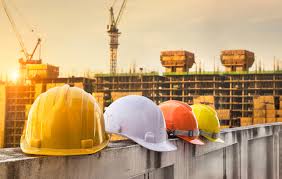
- Safety Awareness: Adhering to safety protocols is paramount to avoid accidents and injuries. Knowledge of safety regulations and practices is critical for all construction workers.
- Communication and Teamwork: Construction projects involve collaboration among various trades and professionals. Effective communication and teamwork are essential for coordinating efforts and solving problems that arise.
3. Benefits of Working in Construction
A career in construction offers several advantages:
- Job Stability: The demand for construction workers is steady, driven by ongoing infrastructure projects and new developments. This stability can translate into job security.
- Competitive Salaries: Many construction jobs offer competitive wages, with opportunities for overtime and specialized roles that command higher pay.
- Career Advancement: The construction industry provides numerous opportunities for career growth. With experience and additional training, workers can advance to supervisory or management positions.
- Variety of Work: The diverse nature of construction projects ensures that no two days are the same. Workers can enjoy a dynamic and ever-changing work environment.