
The Role of a Senior Care Assistant
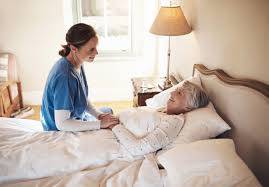
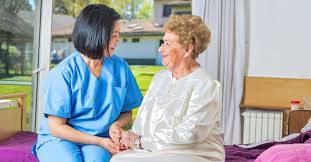
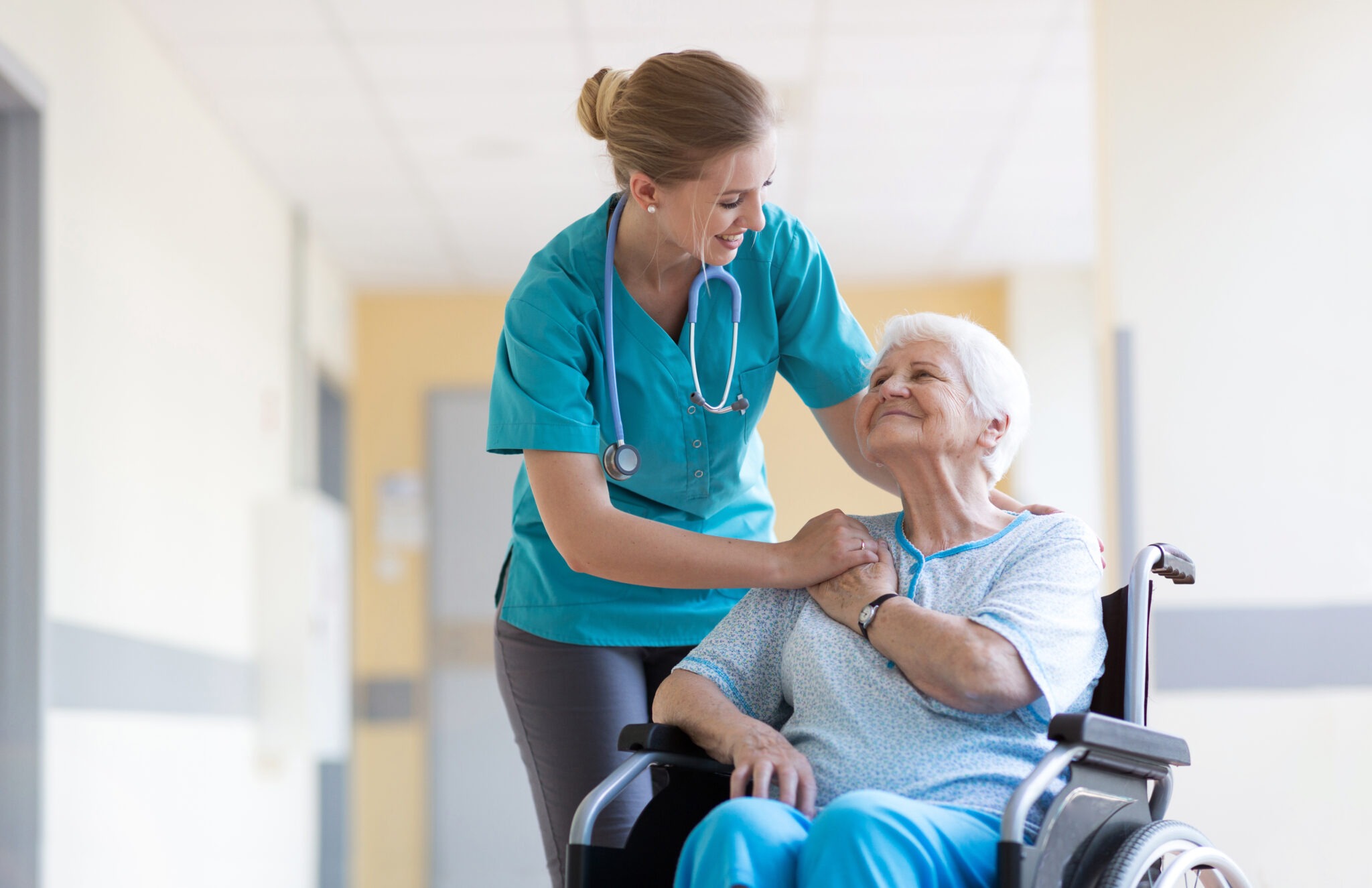
Senior Care Assistants are integral to the daily operations of care homes, nursing facilities, and even in-home care settings. Their primary responsibility is to support elderly clients with their daily activities, which can include personal hygiene, meal preparation, mobility assistance, and medication management. Beyond these physical tasks, Senior Care Assistants provide emotional support, acting as a companion and advocate for their clients.
In a care home or assisted living environment, Senior Care Assistants may also supervise junior staff, ensuring that the care provided meets the necessary standards and regulations. They often serve as the first point of contact between the care team and the residents' families, updating them on their loved one's condition and addressing any concerns. This role requires a balance of empathy, patience, and strong communication skills.
Skills and Qualifications
To excel as a Senior Care Assistant, certain skills and qualifications are essential. Most employers require at least a diploma or certification in health and social care, along with experience in a care-related role. However, the most critical attributes are personal qualities such as empathy, patience, and a genuine passion for helping others.
Senior Care Assistants must have excellent communication skills, as they frequently interact with residents, their families, and healthcare professionals. Organizational skills are also important, given the need to manage various tasks and responsibilities throughout the day. Additionally, physical stamina is necessary, as the role often involves lifting, supporting, and assisting clients with mobility.
Training and continuing education are key components of this career. Many Senior Care Assistants pursue further qualifications, such as a Level 3 Diploma in Health and Social Care, which can open doors to more advanced roles within the sector. Continuous professional development is encouraged, allowing care assistants to stay updated on best practices and new developments in elderly care.
The Rewards of a Senior Care Assistant Career
A career as a Senior Care Assistant is immensely rewarding, both personally and professionally. On a personal level, there is the satisfaction of knowing that you are making a significant difference in the lives of elderly individuals. Many care assistants form deep bonds with their clients, providing not just physical care but also companionship and emotional support.
Professionally, the role offers stability and growth opportunities. With the increasing demand for elderly care services, Senior Care Assistants are in high demand. This demand translates into job security and the potential for career advancement, especially for those who pursue additional qualifications or specialize in certain areas of elderly care.
Moreover, this career path offers flexibility in terms of work settings. Senior Care Assistants can work in a variety of environments, from private homes to large care facilities, and even in specialized settings like dementia care units. This variety allows individuals to find the right fit for their skills and interests.