

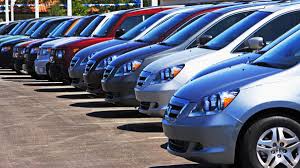
The Benefits of Buying Used Cars
-
Cost Savings
One of the most significant advantages of buying a used car is the cost savings. New cars depreciate rapidly, losing a substantial portion of their value within the first few years. By choosing a used car, you can avoid this steep depreciation, which means getting more value for your money. You can often find high-quality, late-model used cars at a fraction of the price of a new one. -
Lower Insurance Costs
Used cars generally come with lower insurance premiums compared to new vehicles. Since the value of the car is lower, so are the costs associated with insuring it. This can lead to significant savings over the life of the vehicle. -
Less Stress Over Wear and Tear
While a new car might feel like a pristine investment, a used car often comes with the benefit of having already been through the initial period of wear and tear. If you buy a well-maintained used car, you can avoid the stress of accumulating minor dings and scratches that come with a new vehicle. -
Variety and Options
The used car market offers a wide variety of makes and models. Whether you’re looking for a compact car, a spacious SUV, or a rugged truck, you’re likely to find many options that fit your needs and preferences. This diversity can also provide opportunities to find unique models or discontinued vehicles that you might not find among new car offerings.
What to Look for When Buying a Used Car
-
Vehicle History Report
Before purchasing a used car, obtain a vehicle history report. This report provides crucial information about the car’s past, including any accidents, title issues, or odometer discrepancies. Services like Carfax and AutoCheck can provide comprehensive reports that help you make an informed decision. -
Mechanical Condition
Assess the mechanical condition of the car by having it inspected by a trusted mechanic. A thorough inspection can reveal any underlying issues that may not be immediately apparent. Look for signs of wear and tear, rust, and ensure that all major systems, such as the engine, transmission, and brakes, are in good working order. -
Mileage
Mileage is an important factor when evaluating a used car. While higher mileage does not necessarily mean a vehicle is in poor condition, it’s essential to consider it in the context of the car’s age and overall maintenance. Generally, lower mileage cars are preferred, but well-maintained high-mileage vehicles can also be a good option. -
Test Drive
Always take the car for a test drive to evaluate its performance. Pay attention to how the car handles, brakes, and accelerates. Listen for unusual noises and check for any issues with steering, suspension, or transmission. A test drive is a valuable opportunity to ensure the car meets your expectations. -
Ownership Costs
Consider the long-term costs associated with the car, including fuel efficiency, maintenance, and repairs. Some used cars may have higher ownership costs due to frequent repairs or expensive parts. Research common issues with the specific make and model to anticipate potential future expenses.